A 1923 Mercedes Type 122 Indianapolis Racer sells for $3.77 million at RM/Sotheby’s Munich Auction
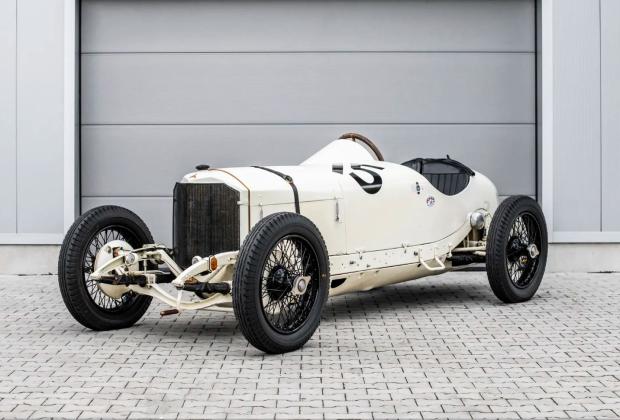
Brian Caruso of Micar Fabrication & Design Company Inc. forwarded an email concerning his grandfather's race car that was entered in the 1936 Vanderbilt Cup Races, and later owned by Henry Austin Clark Jr..
"Hi Howard,
Hope all is well.
I thought you would like to see this link about a 1923 Mercedes Indy car going up for auction at Sotheby's in Munich, Germany November 23rd.
This is the car my grandfather owned and tried to enter in the 1936 Vanderbilt Cup.
Thanks, Brian"
The car sold at the Munich, Germany RM/Sotheby's auction for 3,605,000 Euros ($3,774,075)
Greg O.
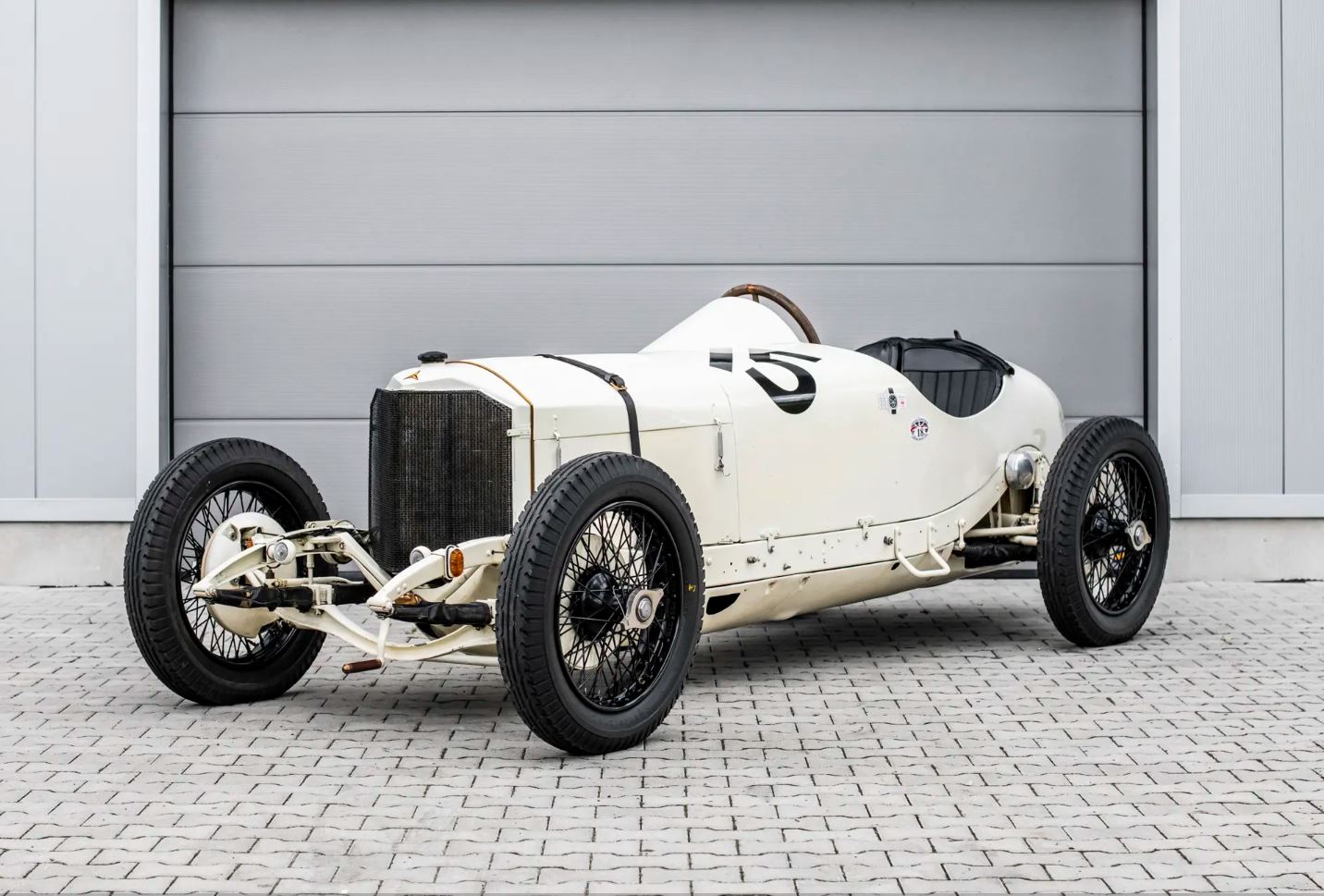
-One of four examples prepared by Daimler Motoren Gesellschaft (DMG) for the 1923 Indianapolis 500
-The last of Paul Daimler’s masterpieces before departing the company
-Raced by Max and Karl Sailer in the race to finish 8th—the highest-placed Mercedes
-Outstanding provenance of residing in famous collections since the 1930s
-Entered into the 1936 edition of the Vanderbilt Cup
-Regular participant in the Bridgehampton races
-Formerly owned by Formula 1 executive Bernie Ecclestone
-Accompanied by a period body presented in bare metal
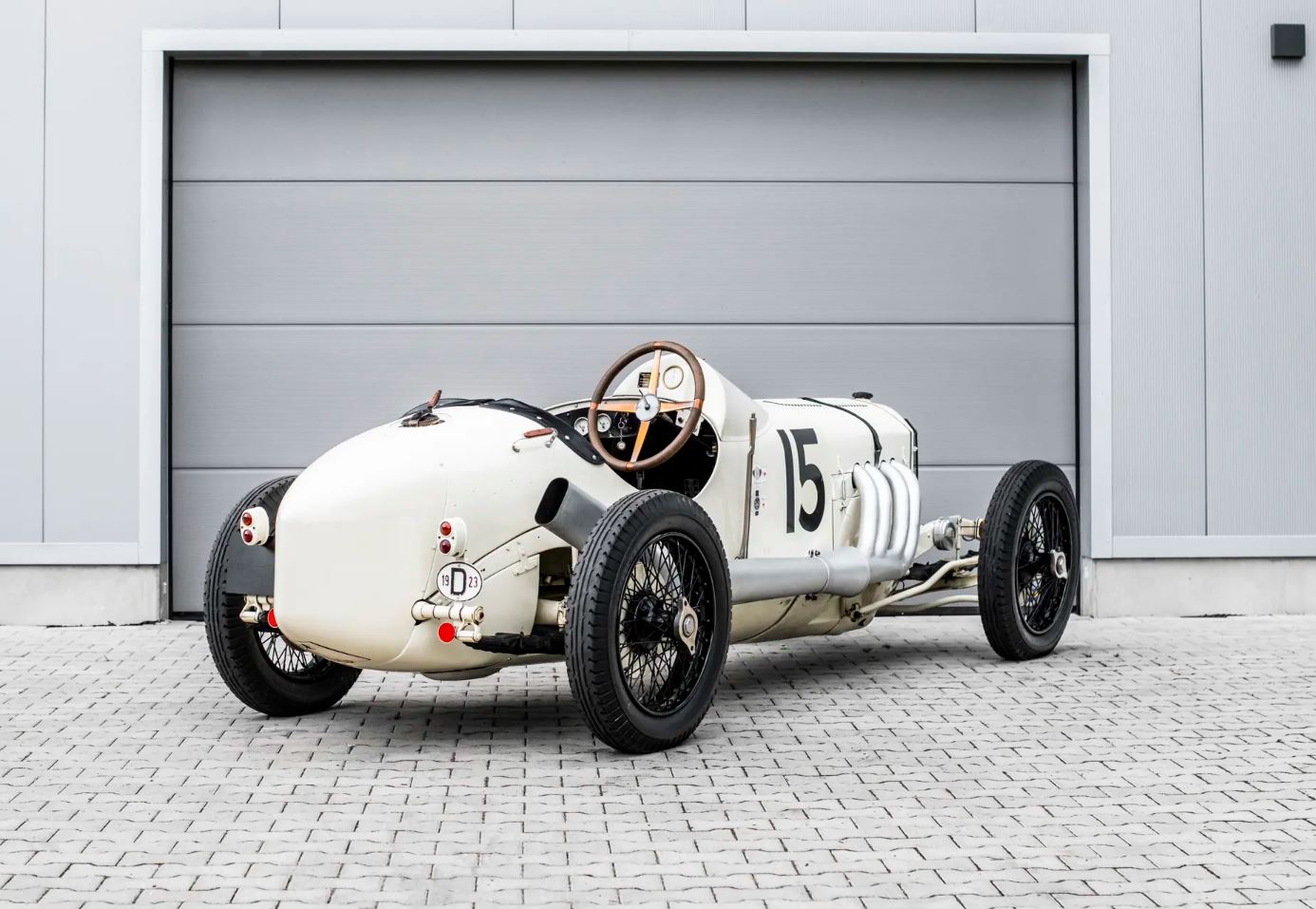
Four cars were prepared by Mercedes and shipped to the USA for the 1923 edition of the Indianapolis 500, the first and only time the factory would enter cars of its own design into the great race. This example, chassis number 26913, was designated as the spare car. During Saturday qualifying, Max Sailer, the chief engineer and lead driver, suffered a spin in the rain and damaged his car. As a result, his nephew and reserve driver, Karl Sailer, drove the spare (26913) to qualify for his uncle, and this car was used by the Sailers for the race.
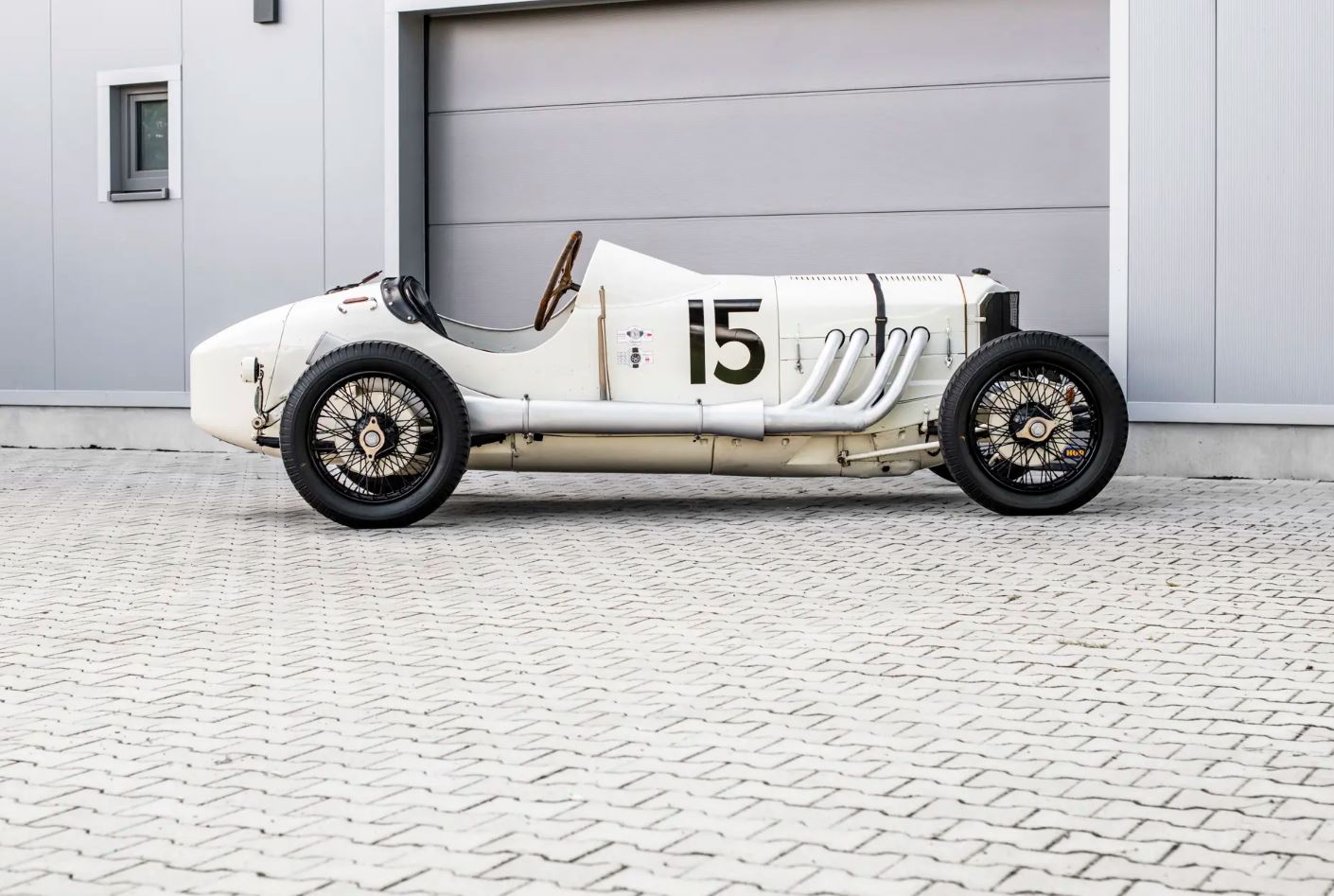
For the race, the Sailer car started on row seven. After 150 miles, Sailer was running in 8th while a sister car was in 5th and the other had crashed out. After 72 laps, Max Sailer’s sprained wrist had become too much so his nephew Karl took over the car and drove admirably over the remaining 320 miles to finish 8th overall, the highest finish for Mercedes and any European car.
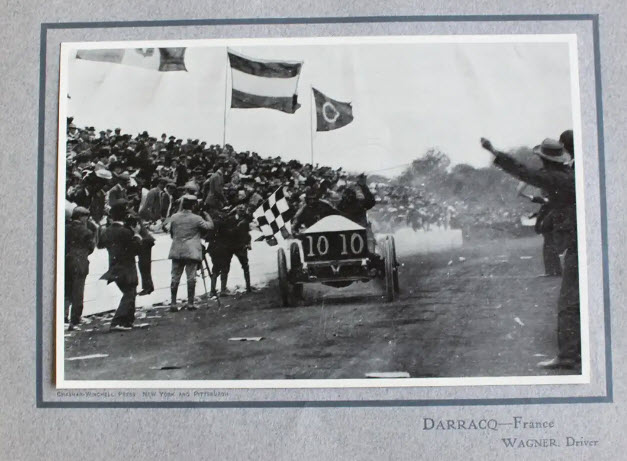
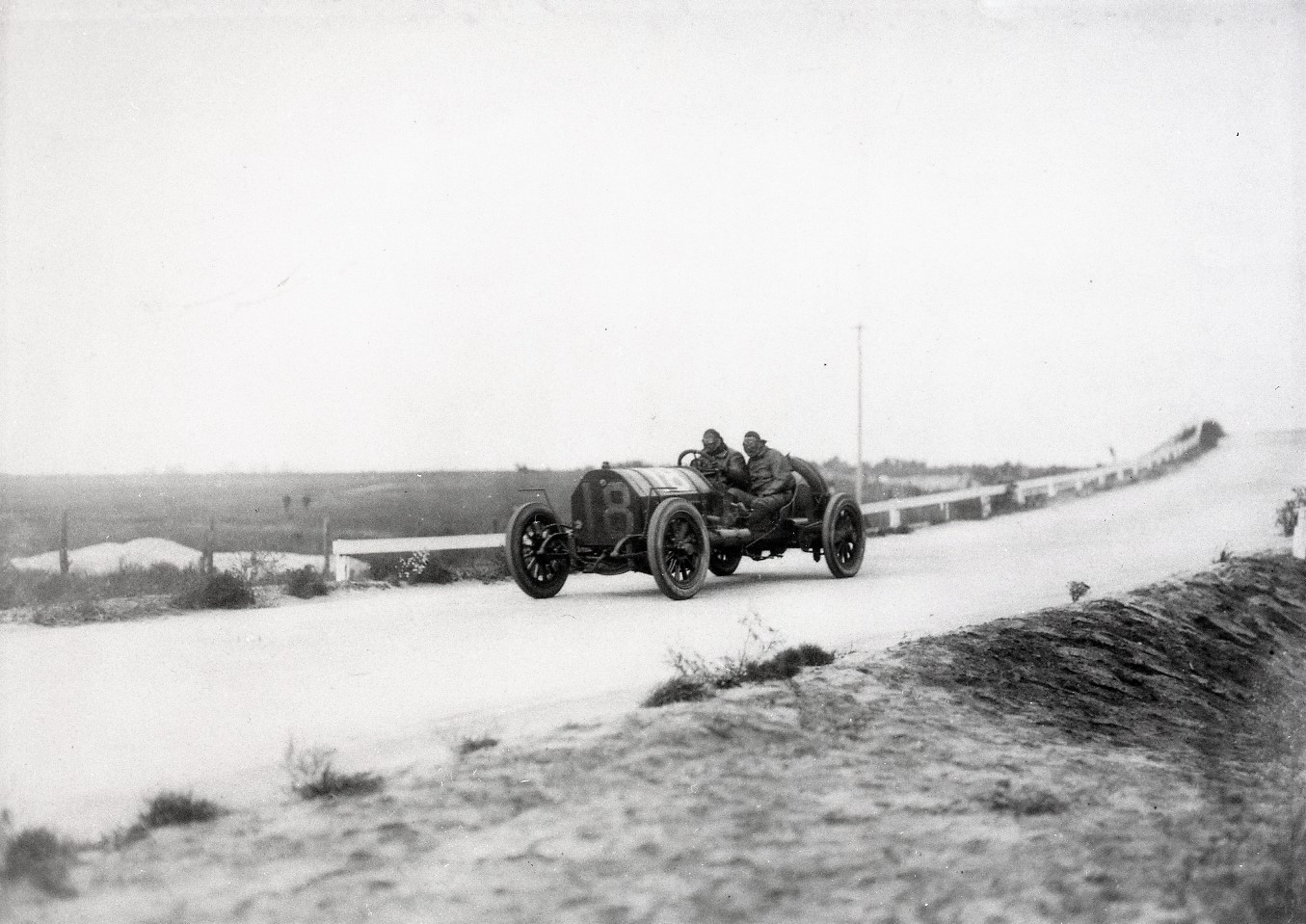
After the race, 26913 was retained by the American Mercedes Company, before being sold to E.J. Schroder of Summit, New Jersey on 31 March 1924. By the mid-1930s, it was owned by Mike Caruso, of Long Island. Caruso entered it into the 1936 Vanderbilt Cup. Unfortunately, against the likes of Tazio Nuvolari in an Alfa Romeo 12C-36, Caruso was deemed too slow by the organisers so did not start the race. The body in photos from this time is the same period body which accompanies the car today.
Josef Reutershan later bought the Mercedes from Caruso, and it is known that by the late-1940s, it was in the hands of Alec Ulmann, who competed in the 1949 Bridgehampton races with it. From Ulmann it passed to Courtney Rogers, who won the prize for best vintage car at the 1951 Bridgehampton races.
In the early 1950s, it then passed to the collection of Henry Austin Clark Jr. at the Long Island Automotive Museum. Clark allowed his great friend, Charles Addams, to race the car at Bridgehampton in 1952 and 1959—Addams was best known as the creator of the Addams Family and a New Yorker cartoonist. Clark later sold this Mercedes to Lew Schaefer, who commenced a restoration, but progress was slow so he sold it. In 1978 it joined the famous collection of Yoshiyuki Hayashi at Gotemba, Japan. Many of Hayashi’s cars were purchased by former Formula 1 executive, Bernie Ecclestone, and in 1995 it was imported into the United Kingdom. This fabulous Mercedes remained in Ecclestone’s collection for a short period before joining The Aumann Collection in 1996.
While in current ownership, this historic car has been displayed at events and even driven on rallies. In 2011, it was the subject of a full engine rebuild by the respected Capricorn Engineering, with bills totaling almost €150,000.
The significance of these first supercharged Mercedes competition cars cannot be overstated—supercharging and competition both run strongly in the DNA of the manufacturer. The number of surviving supercharged Mercedes 2-Litre competition cars can be counted with one hand, so it is entirely possible that the opportunity to purchase one of the original cars, especially the lead Indianapolis racer, will never be repeated. This wonderful Mercedes retains many numbered or period-correct components including its crankcase and gearbox, and a period body which is presented separately in bare metal. A very important competition car, this significant Mercedes has earned its place in some of the greatest collections and surely deserves to continue its life in another.


Comments
Howard,
Thank you for posting the 1923 race car history and auction. This car was purchased by my grandfather and used to qualify for the 1936 Vanderbilt race. My grandfather Mike Caruso used the supercharger and retrofitted it to work on his midget race car where he beat the competition. He sold the car for 750 dollars and made a profit at the time.
Great story, regards-Mark