The Significance of the Long Island Motor Parkway
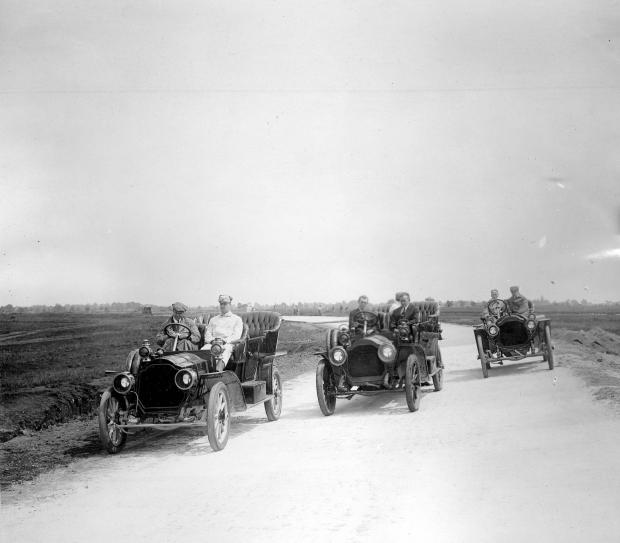
As many of the Motor Parkway enthusiasts know, the Motor Parkway had a major impact of the future of road building with the newly constructed parkway.
In this post, we look at the highlights of what made the Motor Parkway so innovative for it's time.
Greg O.
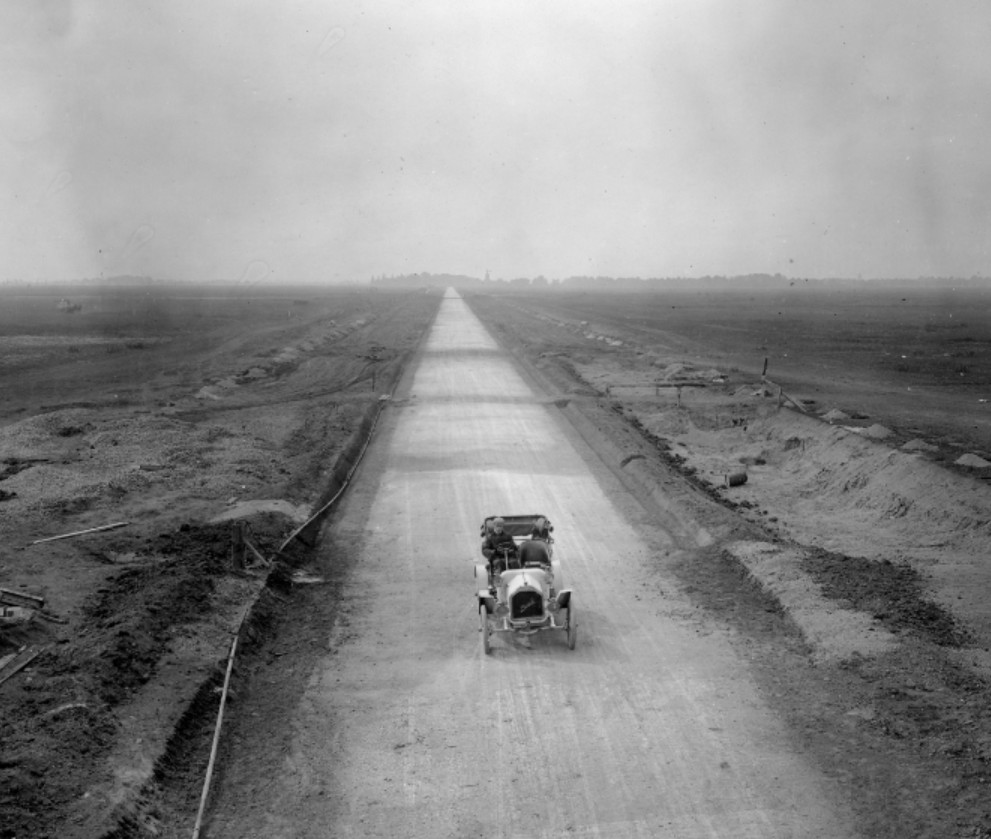
First road built exclusively for the automobile
Some post excerpts from;
First Auto Parkway: From Road to Ruin
By Phil Paton
New York Times
October 9, 2008
New York Times Article “First Auto Parkway: From Road to Ruin”, October 12, 2008
William K. Vanderbilt Jr. was a car enthusiast who loved to race. He had set a speed record of 92 miles an hour in 1904, the same year he created his own race, the Vanderbilt Cup.
But his race came under fire after a spectator was killed in 1906, and Vanderbilt wanted a safe road on which to hold the race and on which other car lovers could hurl their new machines free of the dust common on roads made for horses. The parkway would also be free of “interference from the authorities,” he said in a speech.
So he created a toll road for high-speed automobile travel. It was built of reinforced concrete, had banked turns, guard rails and, by building bridges, he eliminated intersections that would slow a driver down. The Long Island Motor Parkway officially opened on Oct. 10, 1908, and closed in 1938.
Pioneering and Innovative features:
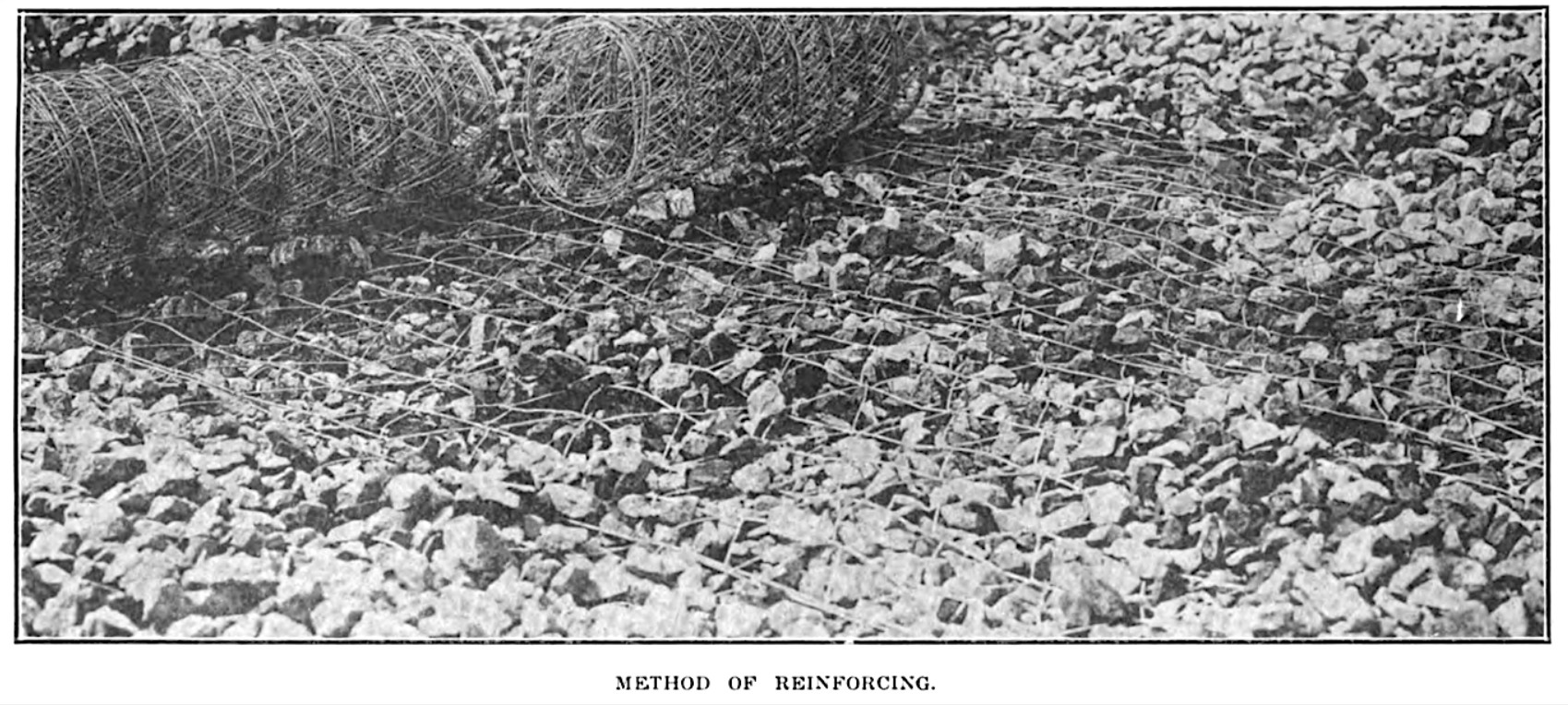
• Use of reinforced concrete for roads
To ensure longevity and weather conditions that hampered early dirt and macadam roads, the use of reinforced concrete was thought to be the answer for minimal road maintenance. Reinforced concrete is still the main roadbed for today's modern highways.
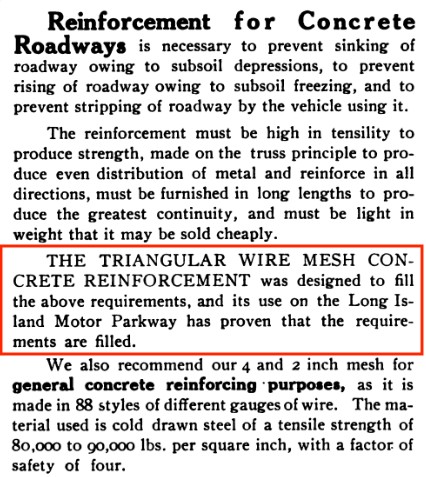
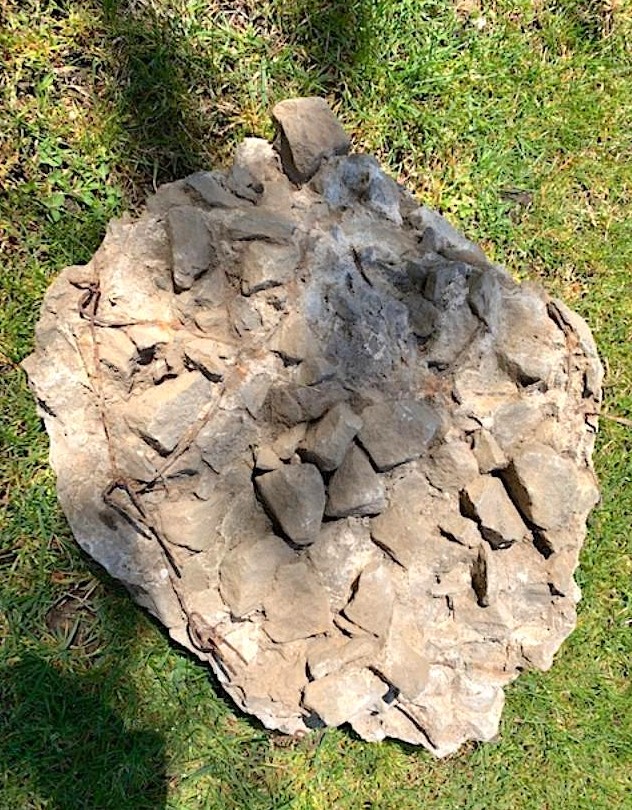
A view of the reinforced concrete from a piece of unearthed Motor Parkway.
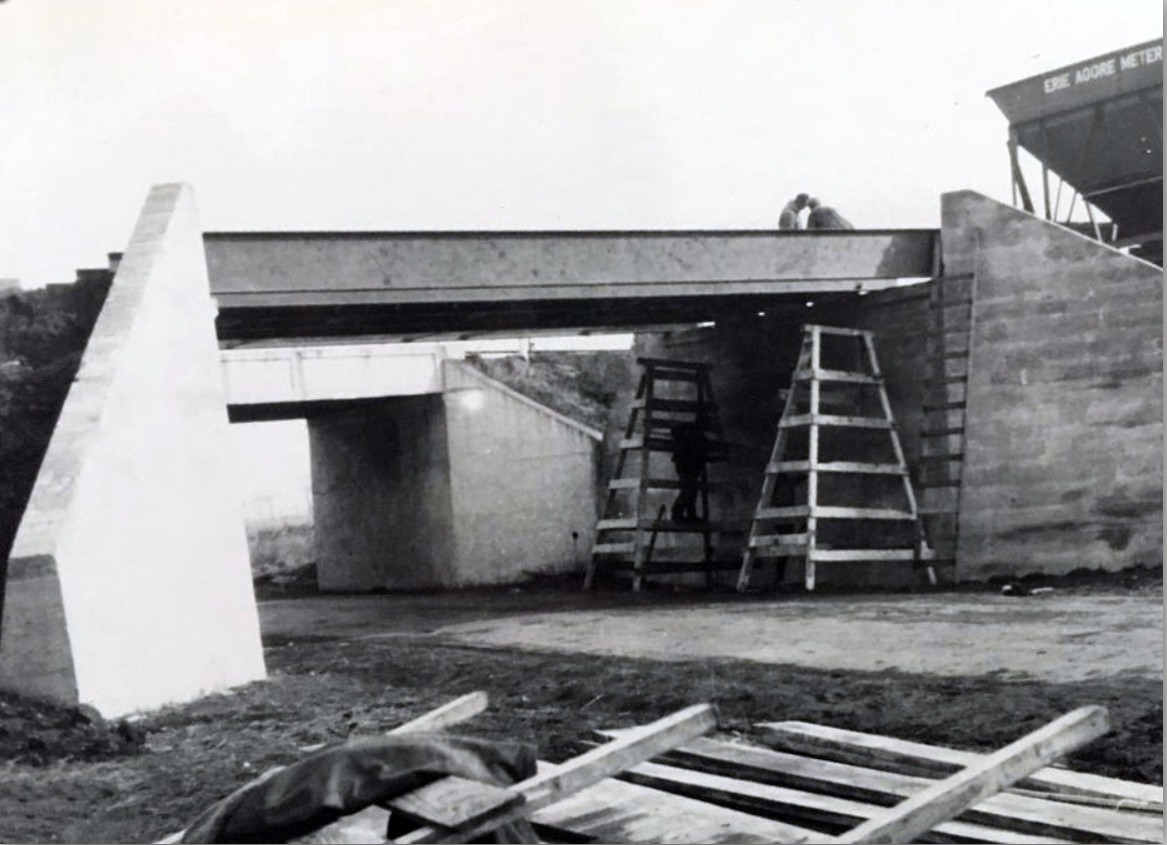
• Bridges to eliminate intersections
A total of 60 Motor Parkway bridges were built from 1908 to 1926 ...a pioneering concept to eliminate grade crossings for an automobile road. There are four types of Motor Parkway bridges; over crossroads (parkway bridges), under crossroads (highway bridges), over railroad tracks (railroad bridge) and, as part of right-of-way agreements, to connect farmlands (farmway bridges).
Here we see a private bridge for Meadowbrook Polo Club members to reach their new field which was purchased in 1928.
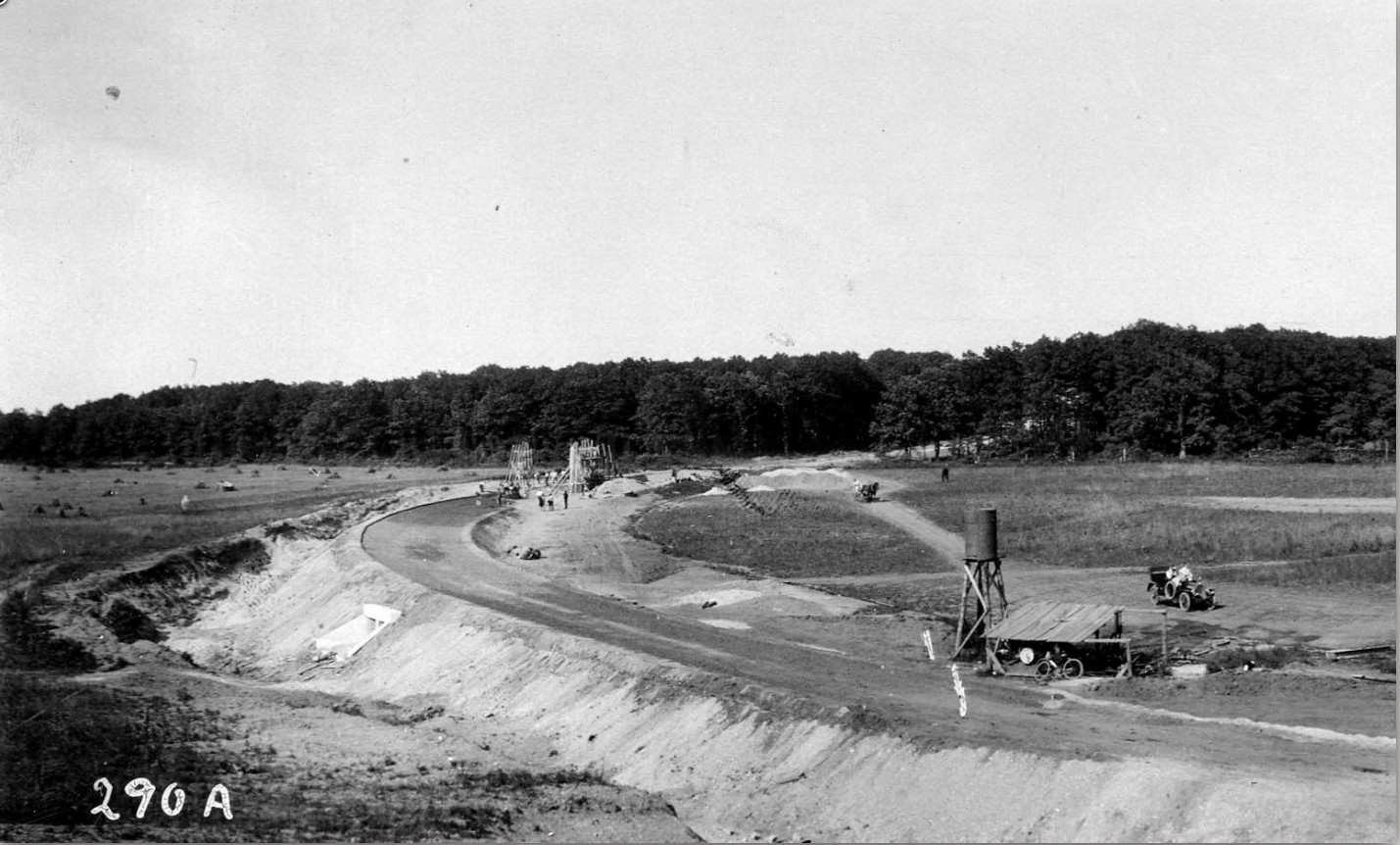
• Banked curves
Applied to many existing racetracks of the day, Vanderbilt knew banked turns were essential for racing and high-speed cornering. It was a 'no-brainer' to add them to the new Motor Parkway.
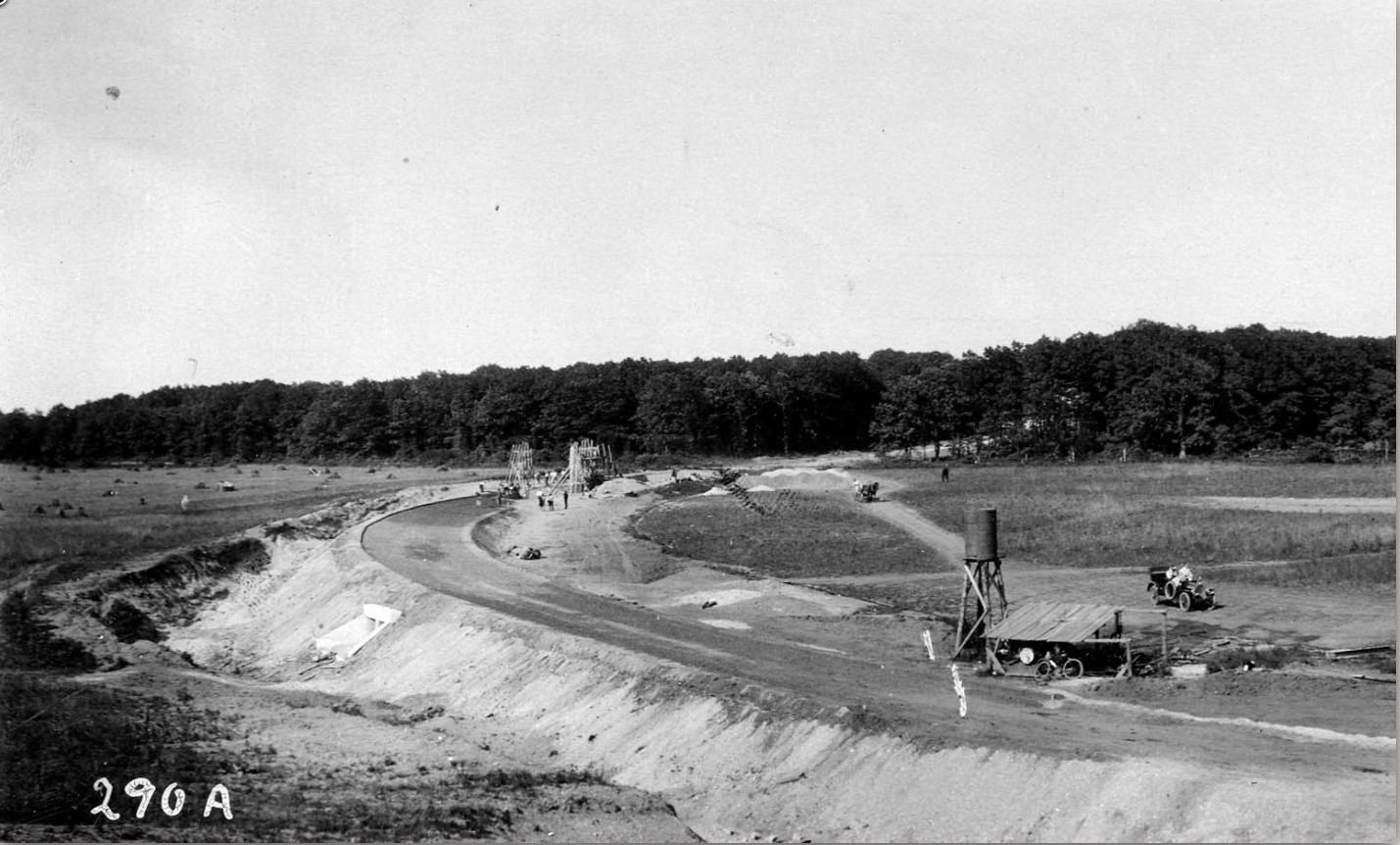
The curve just before the Plainview Road highway Bridge in Central Park, now known as Bethpage. 1908
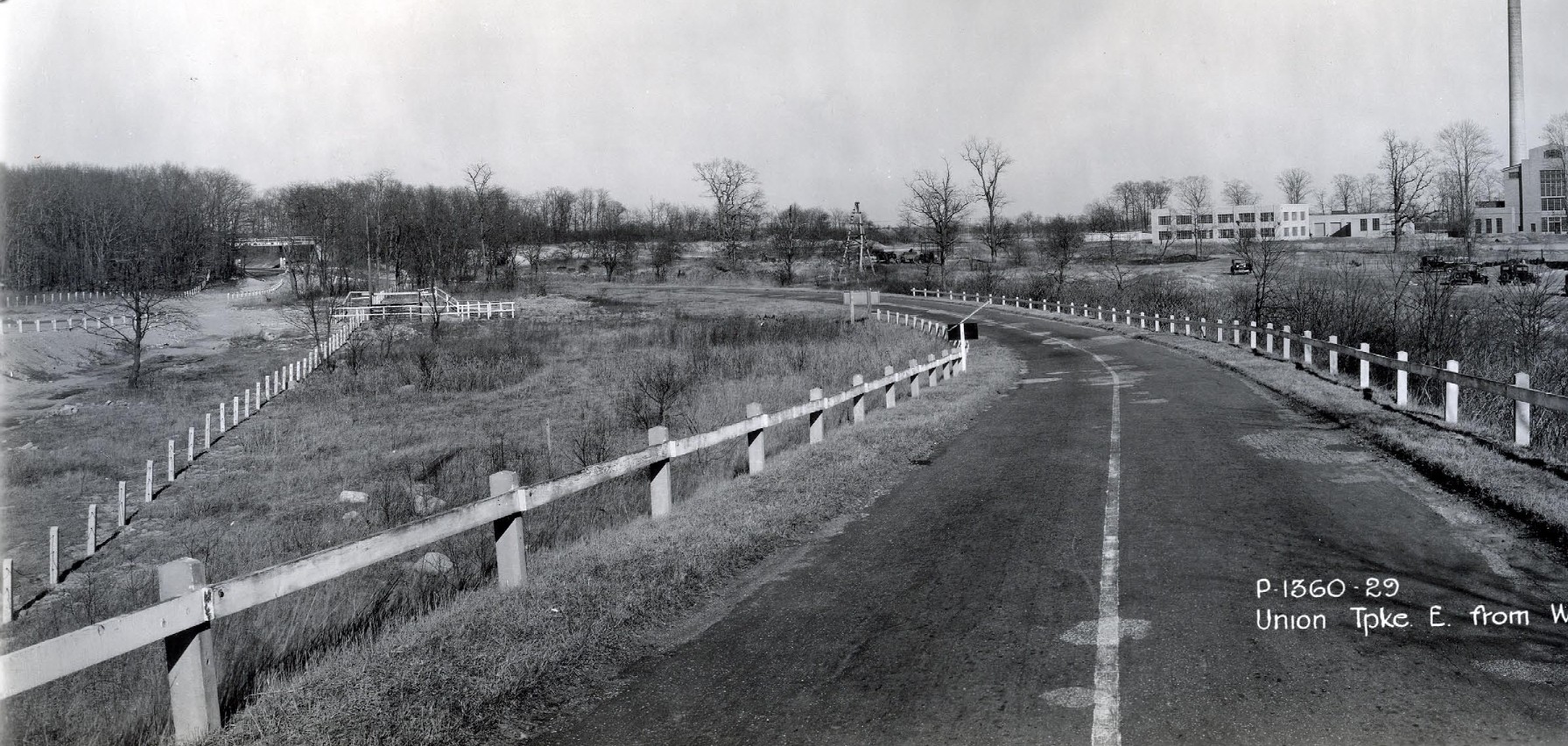
• Guardrails
Cars were beginning to become more powerful by the time of the Motor Parkway construction, especially the race cars planned to race on the new parkway.
Passenger cars up to that point usually only traveled at a few miles per hour, but the cars racing in the Vanderbilt Cup Races would reach the unheard of speeds up to 100 miles per hour. It was therefore required that guardrails be developed for the new racing machines. Today, guardrails are an integral part of the safety of road building and planning.
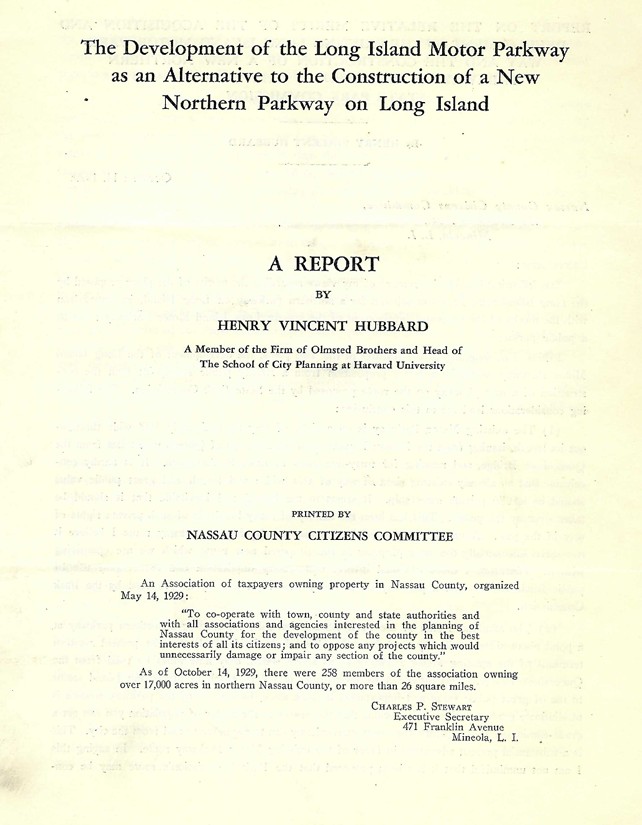
• Landscaping
Paul Daniel Marriott, a highway historian and consultant in Washington, said road designers began to take the car into account around 1900. Like Vanderbilt, these early car owners were mostly wealthy men; they were called “automobilists” on the model of “bicyclists.”
“Cars were seen as objects for leisure, something to be used on weekends,” Mr. Marriott said in an interview. “No one dreamed then of commuting to work by car.” The automobile was seen as way of escaping the tyranny of the railroad schedule, Mr. Marriott added. “It was a way of interacting with nature.”
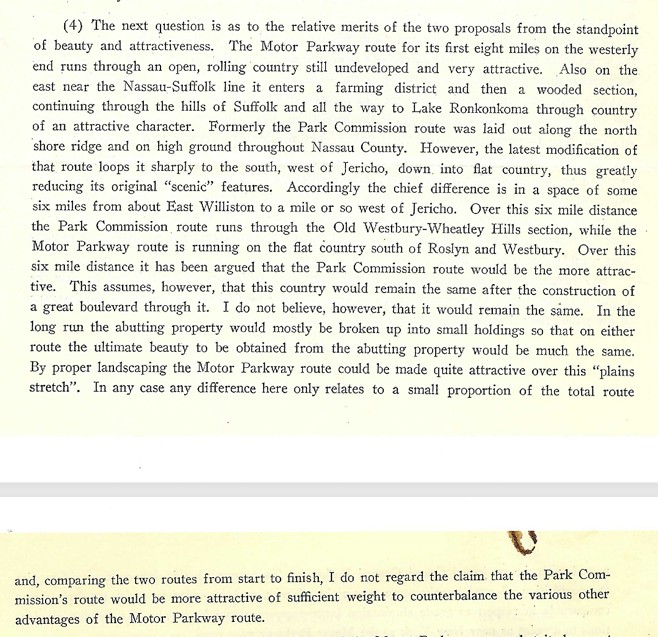
In a 1929 report by Henry Vincent Hubbard of the Olmsted Bros. firm, Hubbard argues for the use of the Motor Parkway instead of a new, planned planned Northern Parkway due to its much more scenic views.
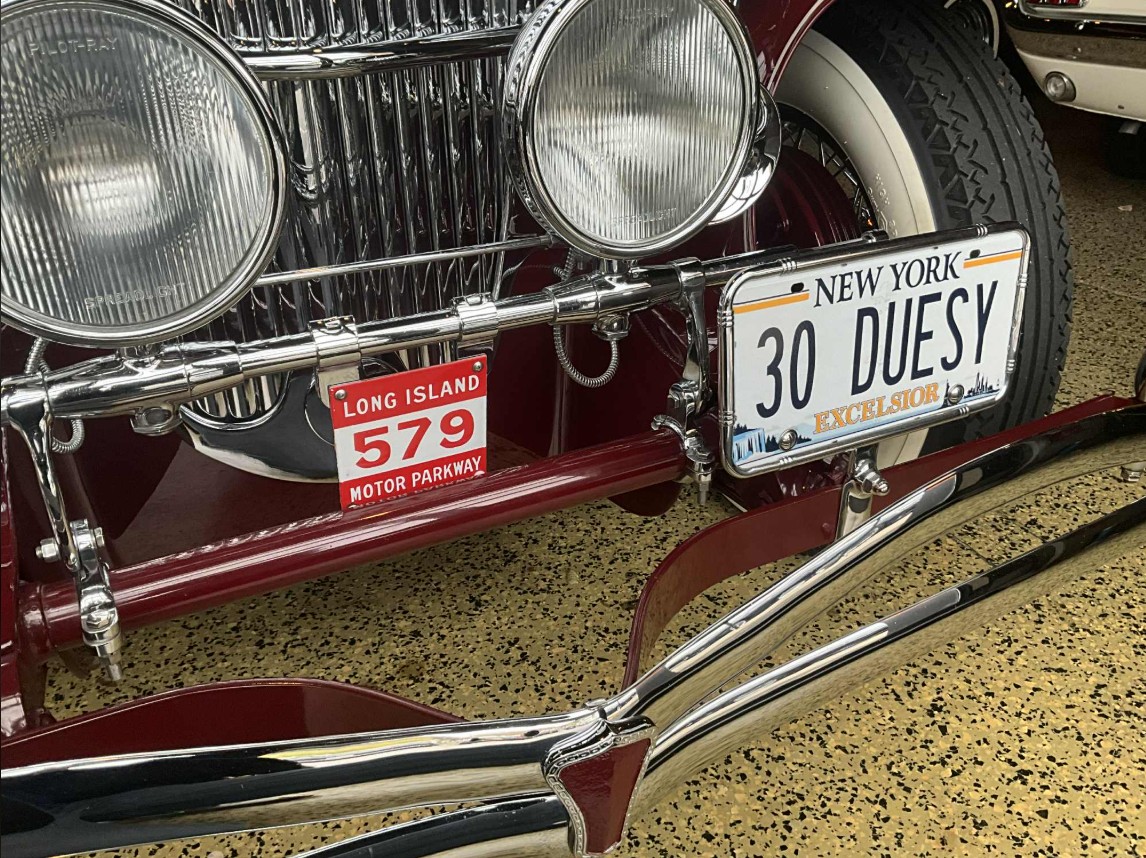
• First E-Z Pass
Common today, the E-Z Pass as we know it started as a porcelain plate affixed to front of the vehicle. As the car approached the toll taker, he noted the number and allowed the motorist to quickly proceed through. Revolutionary at the time.
• Initial six toll lodges designed by prominent architect John Russell Pope
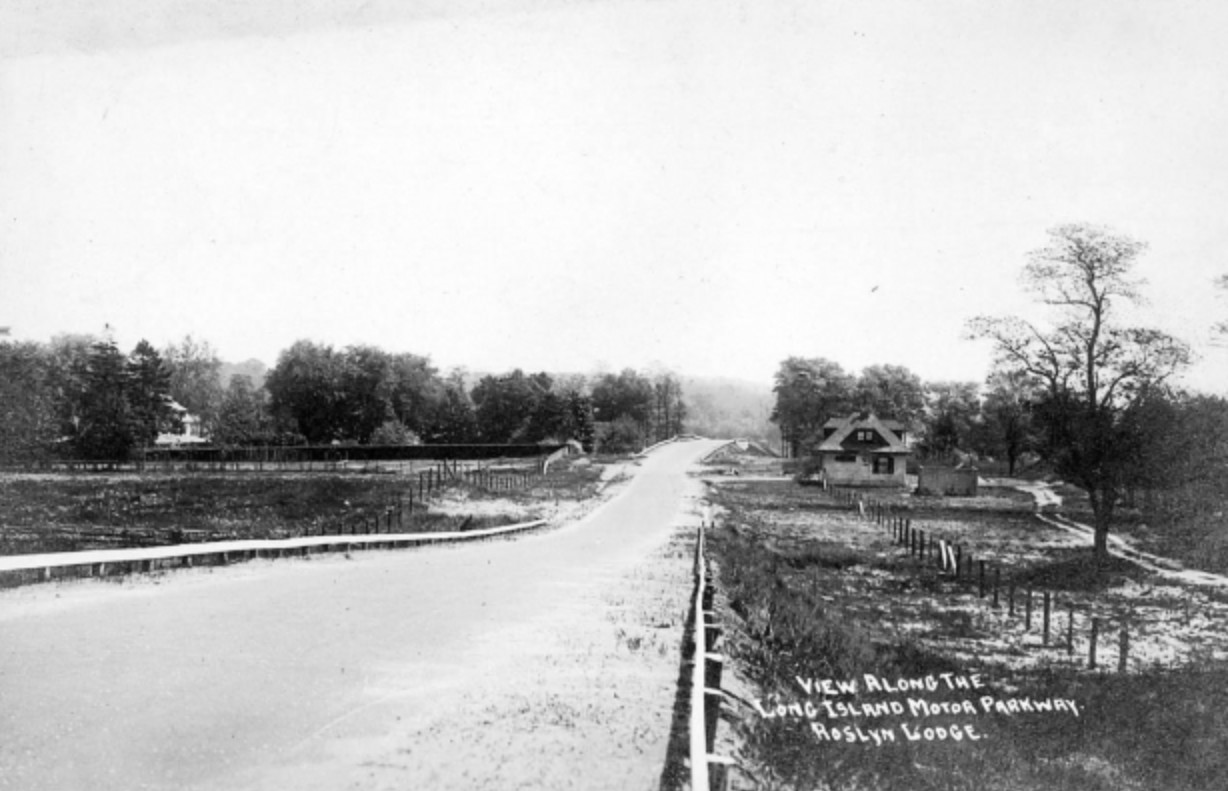
Even the toll houses were worthy of a Vanderbilt: the first six were designed by the architect John Russell Pope, who also created the Jefferson Memorial and the Theodore Roosevelt Rotunda at the Museum of Natural History in New York. The toll takers and families lived in the houses, called lodges.
These would be used as toll collection points when the parkway was used for leisure travel.
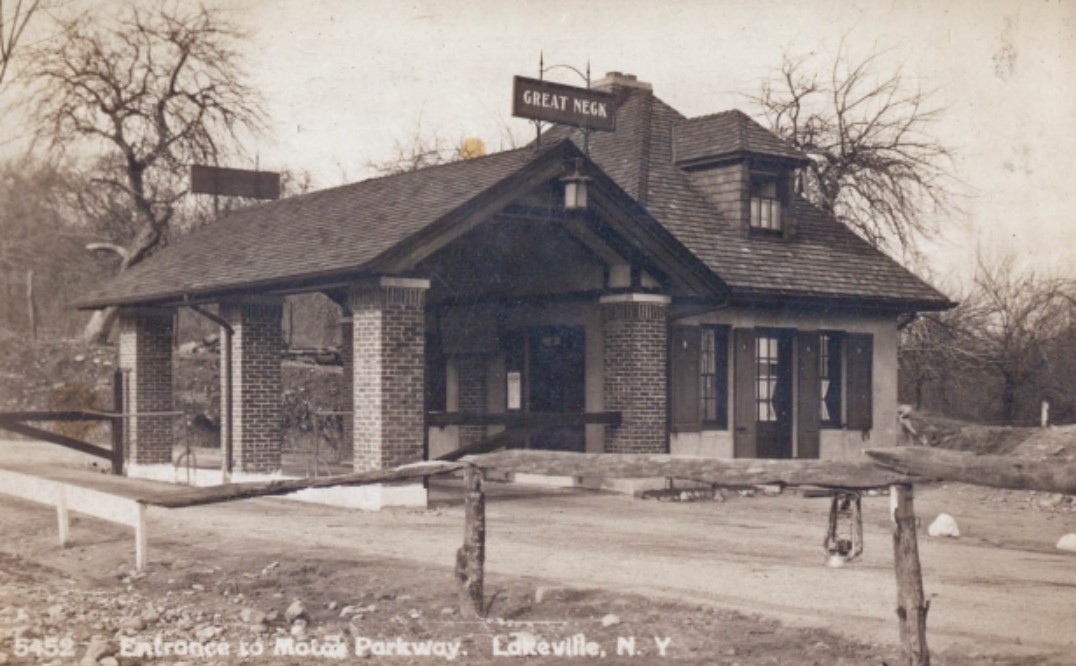
John Russel Pope Motor Parkway Toll Collection Structures and other structures.
Great Neck Lodge (1909-1938)-Toll lodge (Partially extant as the kitchen of a private home)
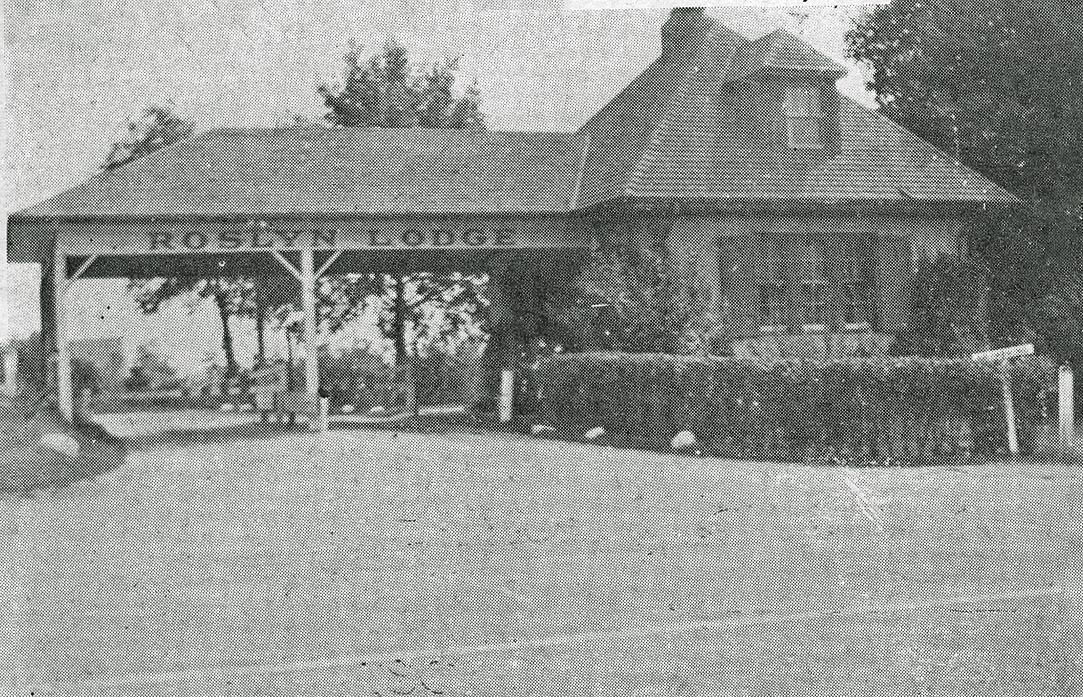
Roslyn Lodge (1909-1938) - Toll lodge (Extant as a private home)
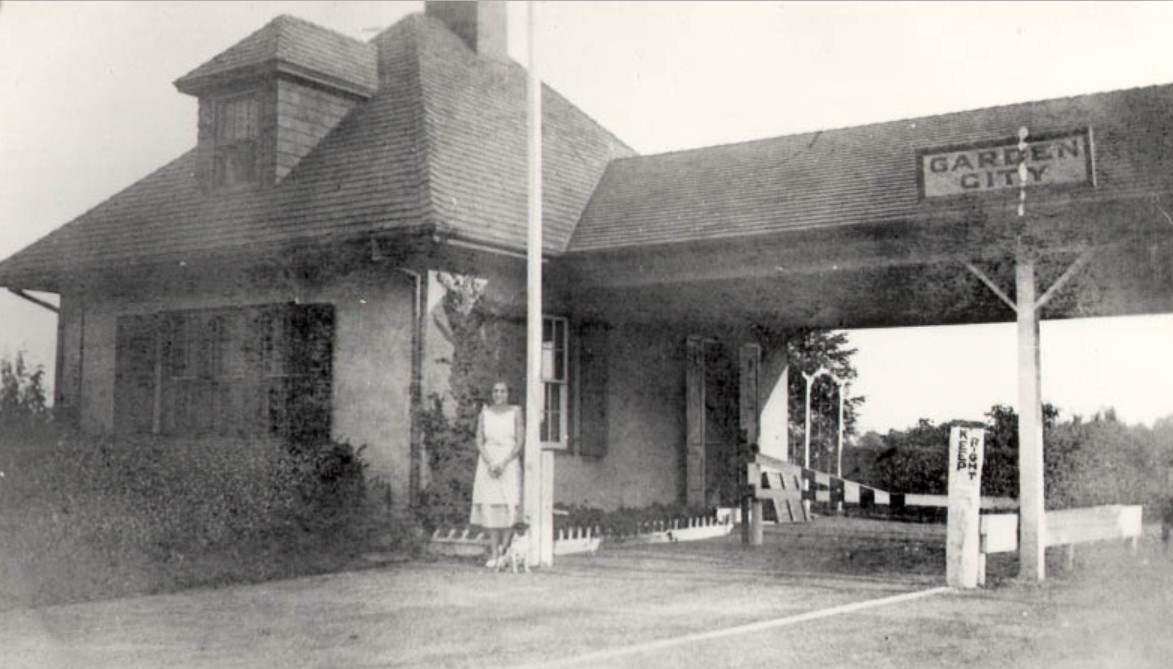
Garden City Lodge (1911-1938) - Toll lodge (Extant as Garden City Chamber of Commerce Office, restored and moved to 7th Avenue, Garden City)
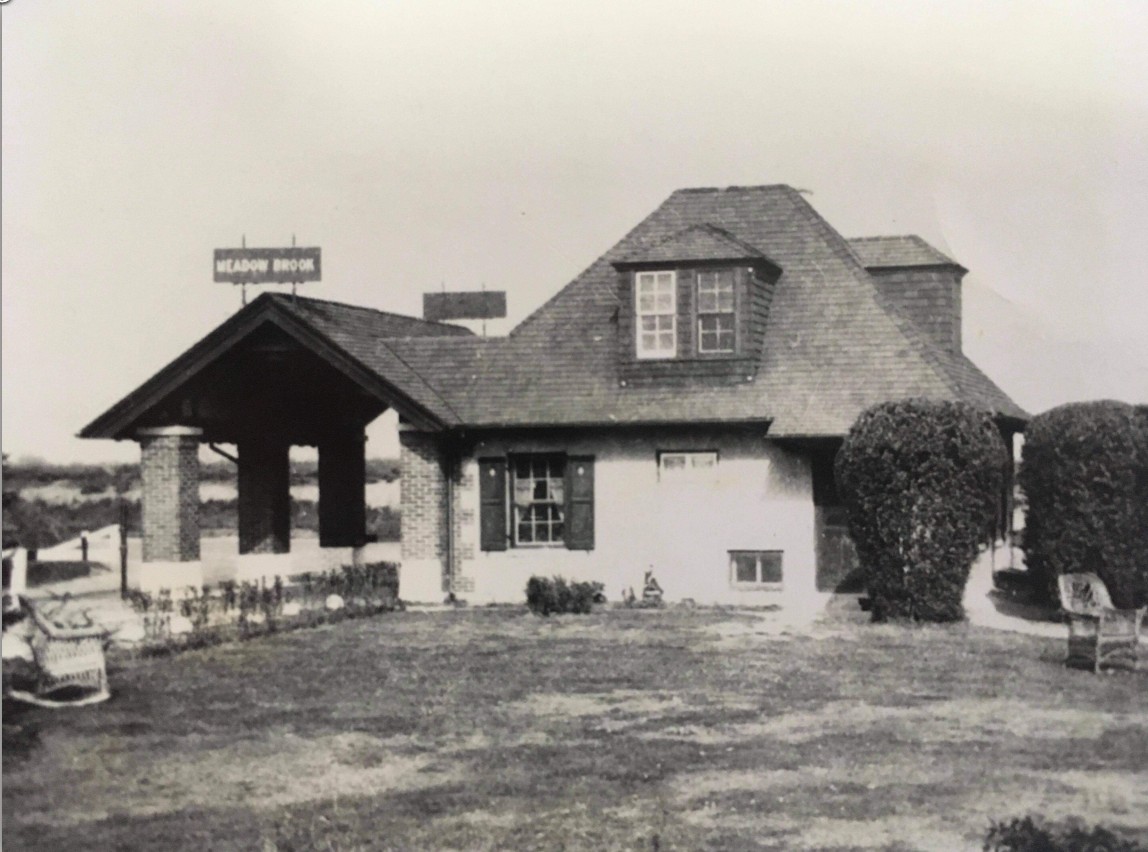
Meadow Brook Lodge (1908-1938) - Toll lodge (Destroyed 1950s)
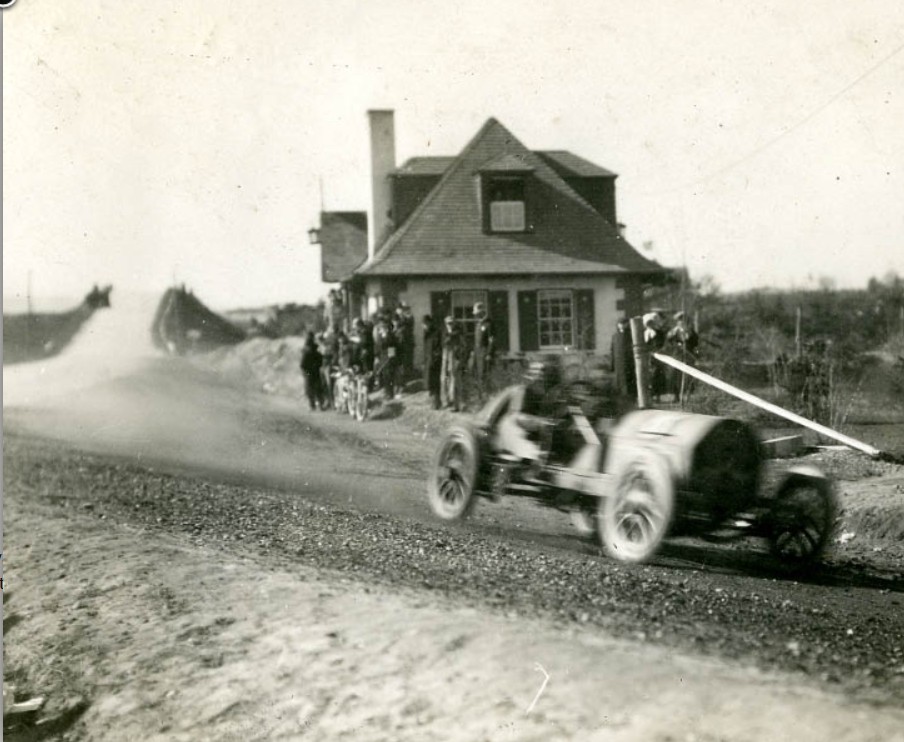
Massapequa Lodge (1908-1938)–Toll lodge - Shown in the above image during the 1909 Vanderbilt Cup Race ( Destroyed 1960s)
Note: the ALCO Black Beast rounding the turn.
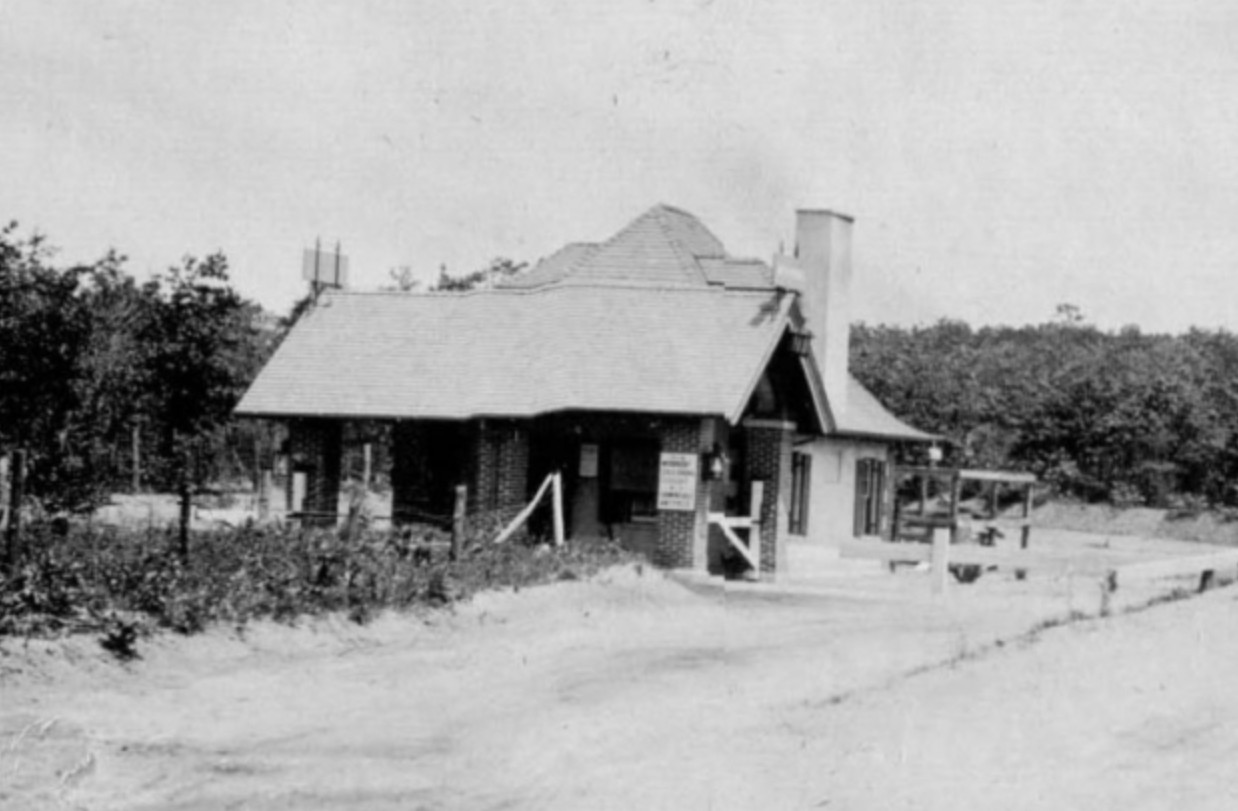
Bethpage Lodge (1908-1938)-Toll lodge (Destroyed 1960s)
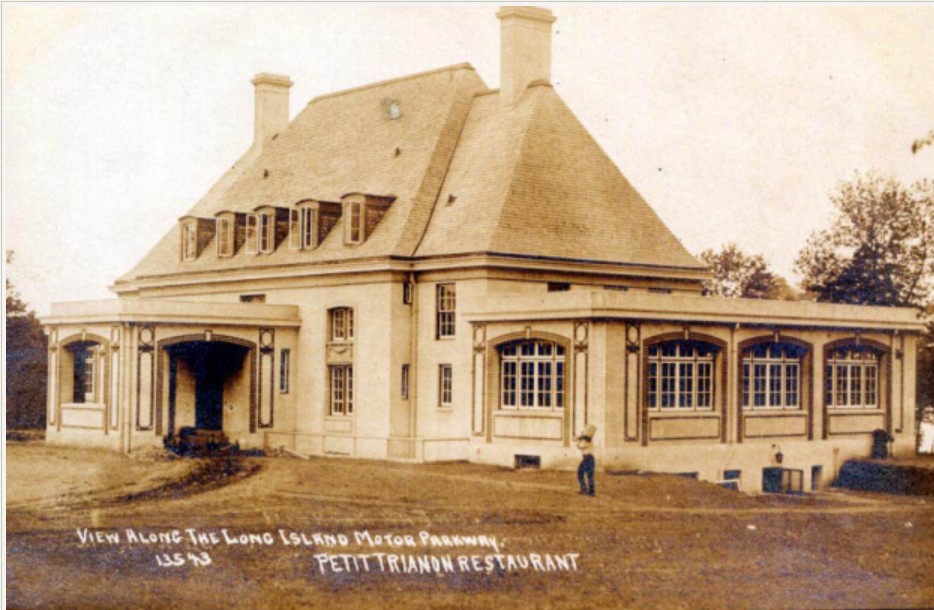
While not a toll collecting structure, Pope's Petit Trianon was a destination point for Motor Parkway travelers to Lake Ronkonkoma to take a break before their return to New York City.
• Also helped change Long Island from a rural farmland to a sprawling suburbia
Once a vast land of farm and woodland fields, the Motor Parkway helped bring people out to the rural Long Island. Towns and settlements sprung up all around the parkway now that people could reach the previously inaccessible lands of the bucolic Long Island landscape.


Comments
Greg, For a short while tolls were collected at the Petit Trianon Inn. As far back as when it was to be the Motor Parkway Inn the plan was to collect tolls here. There were no plans for a Ronkonkoma Lodge early on. That all changed when it was discovered that westbound traffic could enter the Parkway at Rosevale Ave and get off at the Brentwood Lodge before paying a toll. When the Bentwood lodge was closed (and it was quite often), one could ride free all the way to Route 110 in Melville. I believe it was Kienzle that brought the scenario to Vanderbilt’s attention and suggested the creation of what became the Ronkonkoma Lodge.
Also, the first limited access highway.
And, he had plans to extend the LIMP to the Hamptons. Never built. You can see his plans in his notebooks at the Vanderbilt Museum. (You have to ask as they are not usually available to the public. The notebooks also have loads of photographs of every inch of the LIMP.)